
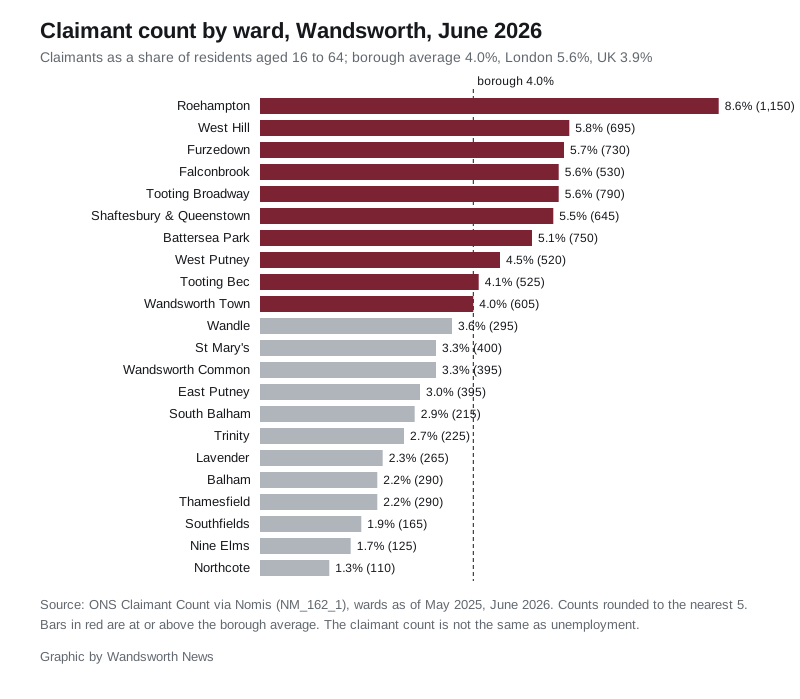
10,115 Wandsworth residents claimed unemployment-related benefits in June, 580 fewer than a year ago. Roehampton's 8.6% is more than six times Northcote's 1.3%.
10,115 Wandsworth residents were claiming unemployment-related benefits in June 2026, 4.0 per cent of the borough’s 16 to 64 year olds. That is 580 fewer than the 10,695 claiming in June 2025, when the rate was 4.3 per cent, and it leaves Wandsworth well below the London rate of 5.6 per cent and a fraction above the UK’s 3.9 per cent. (ONS Claimant Count via Nomis, dataset NM_162_1)
The year-on-year fall hides a turn in the trend. The count dropped every month from last summer to a low of 9,750 in December 2025, then rose in five of the six months since, adding 365 claimants between December and June. London and the UK moved the same way over the winter and spring, so this looks like the national labour market rather than anything specific to the borough.
Roehampton is a different borough
The borough average conceals a very wide spread between wards. The current ward series (wards as drawn in May 2025) has no earlier months in it, so the gap can be measured now but not compared with a year ago.
Roehampton has 1,150 claimants, 8.6 per cent of its working-age residents, more than double the borough rate and above even Lambeth’s 6.3 per cent, the highest of the neighbouring boroughs listed below. Northcote, between Clapham Common and Wandsworth Common, has 110 claimants and a rate of 1.3 per cent. Nine Elms (1.7 per cent) and Southfields (1.9 per cent) are next lowest. (ONS Claimant Count by ward, June 2026, via Nomis)
Ten of the borough’s 22 wards sit at or above the 4.0 per cent average. After Roehampton come West Hill (5.8 per cent), Furzedown (5.7), Falconbrook and Tooting Broadway (both 5.6), Shaftesbury and Queenstown (5.5) and Battersea Park (5.1). Tooting Broadway has the second largest number of claimants, 790, because it is a populous ward; Battersea Park has 750. The ward totals sum to 10,110, five short of the borough figure, because the ONS rounds every number to the nearest five.
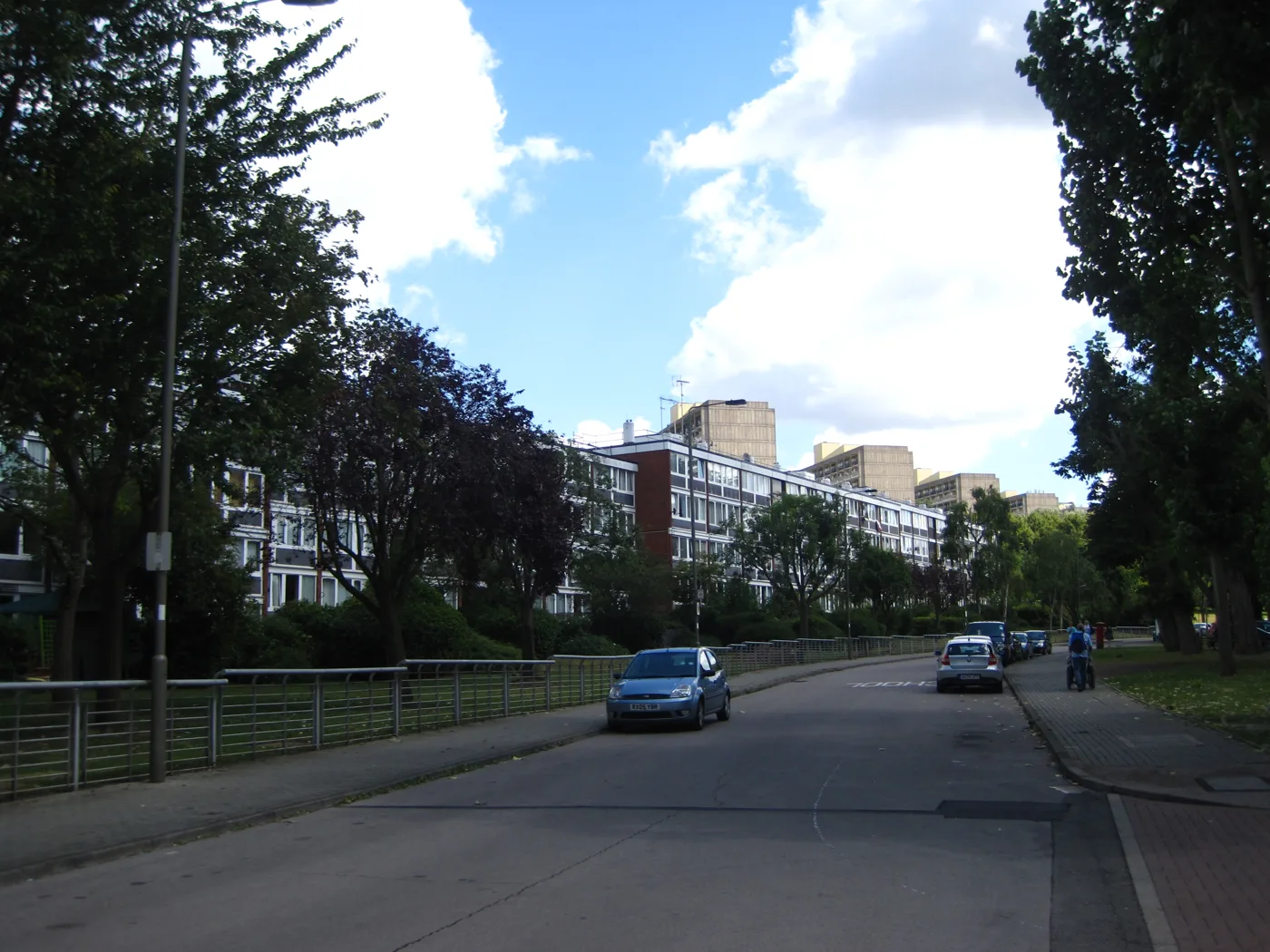
Roehampton’s figure sits alongside the council’s regeneration of the Alton estate, where it says work started on the first new block in July and plans for a new library, youth centre and affordable homes were published in January. (Wandsworth Council, 13 July 2026) The claimant count says nothing about why the ward’s rate is what it is, only that it is.
Who is claiming
Of the 10,115, 1,310 are aged 18 to 24, 5,995 are 25 to 49 and 2,810 are 50 or over. Nobody under 18 is counted. Men outnumber women, 5,360 to 4,755, but two thirds of the year’s fall was among women: 385 fewer women and 190 fewer men than in June 2025. (Nomis, NM_162_1, Wandsworth by age and sex)
Among the neighbours, Merton’s rate is 4.6 per cent, Hammersmith and Fulham’s 4.9, Lambeth’s 6.3 and Richmond upon Thames’ 2.6. Kensington and Chelsea across the river is 3.5.
What the number is, and is not
The claimant count is not the unemployment rate. It counts people claiming Jobseeker’s Allowance plus people on Universal Credit who are required to look for work as a condition of their claim. Since Universal Credit replaced older benefits, some people who are in low-paid work are required to search for more hours and so appear in the count, while some unemployed people who do not claim are not in it. The ONS publishes it as an experimental measure and warns against reading it as unemployment. The rate is the count divided by residents aged 16 to 64, so it is a share of the whole working-age population, not of the labour force.
The figures run to June because the ONS publishes the count in arrears; the July numbers are the next release, and the ward table above will be worth re-reading when they appear.
What it means for you
If you are claiming, council tax reduction is separate from Universal Credit and has to be applied for through Wandsworth Council, which also lists its cost of living help on its own site; neither is automatic.
If you are looking at where to live, set the ward figures against our Wandsworth house prices page, which carries the Land Registry figures by area; the lowest-claimant wards, Northcote, Nine Elms, Southfields, Thamesfield and Balham, are worth checking there first.
If you run a business and are hiring, the borough’s 4.0 per cent is close to the UK’s 3.9 and well under London’s 5.6, so the local pool of registered jobseekers is thinner than the London headline suggests. Roehampton, Tooting Broadway and Battersea Park hold the largest concentrations, 2,690 of the 10,115 between them.
Have your say