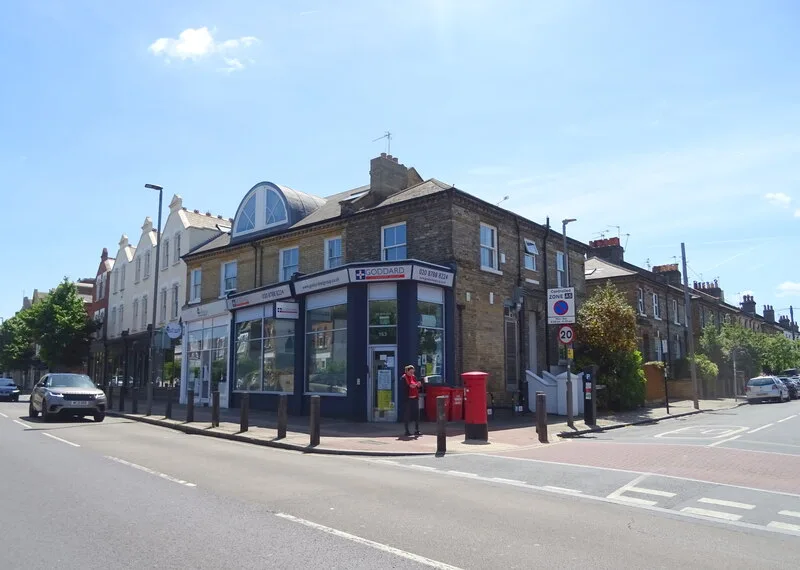

Wandsworth revoked Stonehenge Food and Wine's licence after two failed test purchases in three months. The Lower Richmond Road shop has 21 days to appeal.
A Putney convenience store has lost its alcohol licence altogether. Wandsworth’s Licensing Sub-Committee voted unanimously to revoke the premises licence for Stonehenge Food and Wine, 7 Lower Richmond Road, SW15, after the shop sold alcohol to underage test purchasers twice in three months.
The council issued the decision notice on 9 September, six days after the hearing. It is the strongest sanction available to a licensing committee, and it was the outcome the council’s own licensing officers had asked for. (Notice of Determination, Wandsworth Licensing Sub-Committee)
What the record shows
The review application was brought by the Licensing Authority itself, not by the police or by residents. Its case set out a sequence that ran from spring into summer:
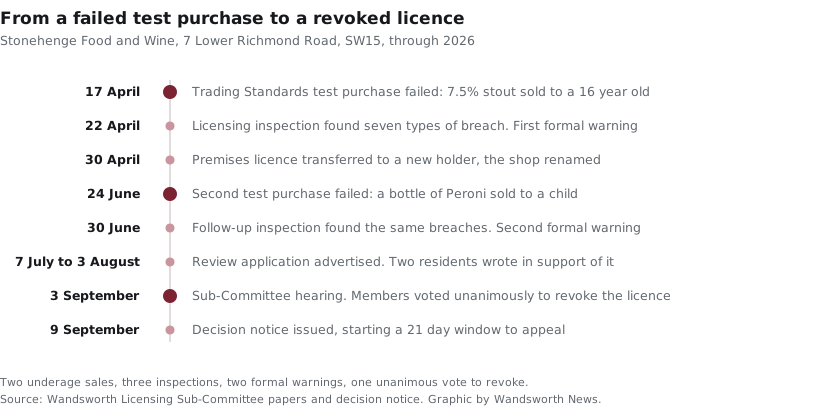
- 17 April 2026: a Trading Standards test purchase. A 16 year old volunteer was sold a bottle of Guinness Foreign Extra Stout at 7.5% ABV, with no age check. The sale also broke condition 9 of the licence, which bans single beers, lagers or ciders above 6% ABV.
- 22 April 2026: a licensing inspection found breaches covering CCTV, incident logging, staff training records, Challenge 25, refusals recording, customer notices and the sale of high strength single cans. A formal warning followed.
- 30 April 2026: the premises licence was transferred to a new holder, the shop having changed hands and been renamed.
- 24 June 2026: a second underage test purchase. A bottle of Peroni was sold to a child. The staff member admitted the sale.
- 30 June 2026: a follow-up inspection found the same breaches unresolved. A second formal warning was issued.
- 7 July to 3 August 2026: the review was advertised. Two residents wrote in supporting it.
Officers told the committee that the failure to keep CCTV working properly had a second effect. It left them unable to check reports that the shop was selling alcohol after its permitted hours.
Two residents made written representations and one of them came to the hearing. Asked about late night sales, they told members they had noticed it happening most days and had video of it.
The second representation, in writing, came from someone living a few doors from the shop who had objected when the licence was first applied for. They wrote that they had seen alcohol sold after the authorised hours on numerous occasions since the shop opened, sometimes several hours after both the alcohol cut-off and the shop’s closing time.
Why the committee went straight to revocation
Revocation is the last of seven steps a licensing sub-committee can take. The lighter ones include an informal warning, tighter conditions, shorter hours, removing the designated premises supervisor, or a suspension of up to three months.
The council’s legal adviser reminded members that they had to take “a graduated and weighted approach”, and that any decision had to be appropriate and proportionate. He also pointed them at two paragraphs of the Home Secretary’s statutory guidance. Paragraph 11.27 treats the illegal purchase and consumption of alcohol by minors as criminal activity that should be taken particularly seriously. Paragraph 11.28 says that where premises are being used to further crime, “revocation of the licence, even in the first instance, should be seriously considered”.
Members then set out why nothing short of revocation would do. The notice records that they weighed:
- two failed test purchases
- three inspections at which the failings were explained to the licence holder or the designated premises supervisor
- formal letters setting out those failings, not all of which were addressed
- repeated silence in response to the warnings and to an invitation to meet the Licensing Authority
That silence, the committee agreed, amounted to “either neglectful behaviour or a wilful disregard of the serious concerns relayed”. Asked at the hearing to explain the four licensing objectives and his own responsibilities, the licence holder replied that anyone over eighteen could buy age-restricted goods, and that outside licensed hours he directed customers to other shops nearby. The committee found he had failed to demonstrate the knowledge expected of someone running a licensed premises.
The hearing lasted 52 minutes. Members retired at 7.39pm and the meeting closed at 7.52pm.
The licence had been contested from the start
This shop’s licence has never been routine. It was granted on 8 July 2025, to a different operator trading under a different name, and only after a hearing.
The Metropolitan Police and Trading Standards both objected, then withdrew once conditions were agreed. Two residents did not withdraw, so the application went to a sub-committee. Members granted it, but cut the hours the applicant had asked for. They refused an 8am start for alcohol sales, on the basis that it could undermine the protection of children during the school run, and set 9am instead. Because the applicant had not run his own licensed premises before, they also pulled the Friday and Saturday cut-off back by an hour, to midnight.
The conditions attached at that hearing covered CCTV, incident logs, the ban on high strength single cans, Challenge 25, staff training, right to work checks and refusal records. Those are the same conditions the shop was later found to be breaching.
When the licence transferred in April 2026, the hours and the conditions carried over unchanged, and the original licence holder stayed on as designated premises supervisor, with day to day responsibility for alcohol sales. The Licensing Authority made a point of that in its application: the licence had changed hands, but there had been no clean break from the operation that won it.
There is a right of appeal
The decision is not final yet. Any party to the hearing can appeal to the magistrates’ court, and the clock runs for 21 days from the date of notification. The notice was issued on 9 September, so the window closes at the end of this month.
Appeals go to the Justices’ Chief Executive at Lavender Hill Magistrates’ Court, 176a Lavender Hill, SW11 1JU, and the court charges a fee. The notice does not say when the revocation takes effect, and the council has published nothing further since issuing it.
What it means for you
If you live near the top of Lower Richmond Road, this is the end of a case neighbours have been raising since before the licence was granted. Two of them objected in 2025, and two objected again this summer.
If you run a licensed shop in the borough, the reasoning is worth reading in full. The committee did not revoke because of a single sale. It revoked because warnings were ignored, because the same breaches were still there at the second inspection, and because the person responsible could not explain the rules to the panel.
If you want to object to a licence application near you, the route the two residents here used is the standard one: representations during the consultation period, and the option to attend the hearing. Wandsworth’s licensing function runs jointly with Merton through the Regulatory Services Partnership, so enquiries about a specific licence go to the Merton address on the notice, while the decision stays Wandsworth’s.
Licensing Sub-Committee papers, decision notices and webcasts are published on the council’s democracy site. The committee next meets on 15 September.
Lower Richmond Road itself is in for a busy fortnight: Roskell Road, which runs off it, closes for a Car Free Day street party on 20 September, and the Felsham Road junction with Putney High Street shuts from 14 September. Our roadworks and travel page has the detail.
Sources
- Notice of Determination, Stonehenge Food and Wine, issued 9 September 2026 (Wandsworth Council) for the decision, the reasoning, the timings and the appeal route.
- Paper No. 26-188, report to the Licensing Sub-Committee, 3 September 2026 for the grounds of review, the licence history and the consultation dates.
- Agenda and papers, Licensing Sub-Committee, 3 September 2026 for the review application, the test purchase evidence and the resident representations.
Have your say