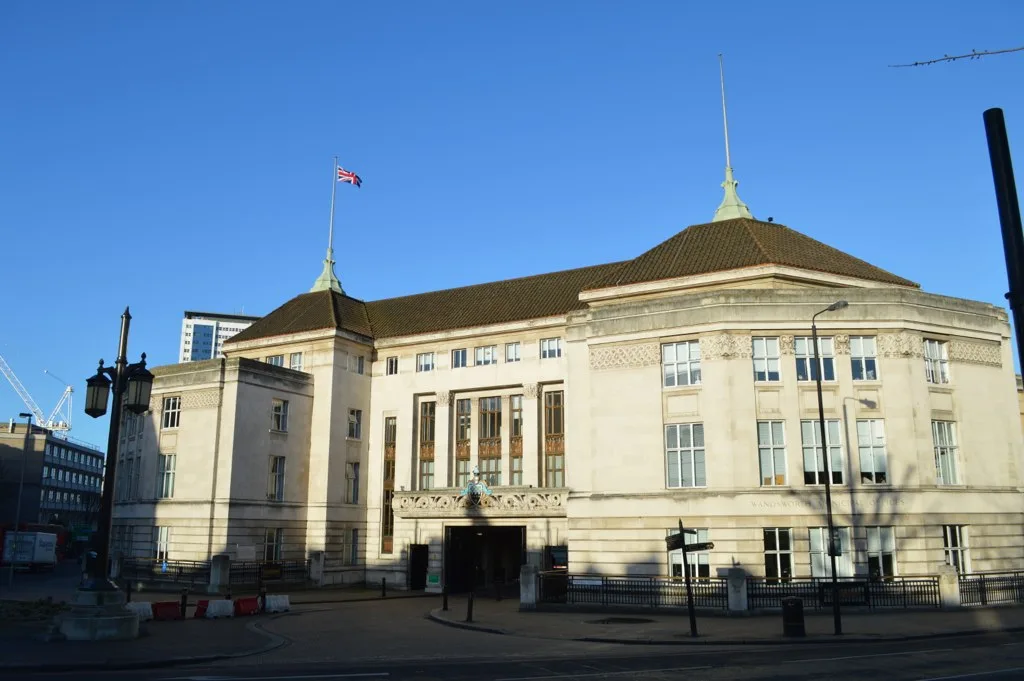

Band D would go from £1,020 to £1,978, a rise of £958 or 94 per cent. The council's final Spending Review names April 2027, and the vote comes in March.
Wandsworth Council has put a figure on the council tax rise it says it will need. A Band D bill of £1,978 a year from April 2027. That is £958 more than the £1,020 most households in the borough pay now, and a rise of 94 per cent.
The number is on page 5 and page 38 of the council’s final Spending Review report, published on 15 September.
Nothing is decided. The report is a plan, the charge has to be voted through by Full Council in March 2027, and the council is still asking the Government to change its mind. On 18 September the Conservative Party leader, Kemi Badenoch, said she had instructed lawyers to look at challenging the Government over the funding cut behind it. No claim has been filed.
What the council’s report says
The report is the council’s own document, not a campaign leaflet, and it is blunt:
- The council will “plan on the basis of Wandsworth’s share of council tax rising to £1,468 in 2027/28”.
- Including the Greater London Authority precept, that makes an indicative total Band D bill of “approximately £1,978”.
- The whole increase lands in one year. The modelling “assumes that the increase is made in 2027/28, with no further increase in the Council’s share in the following three years”.
- The trigger is the funding settlement: Wandsworth “will lose £84m a year of core government funding by 2030, a reduction of around 40%”.
- The final decision “will be taken by Full Council in March 2027 as part of the statutory 2027/28 budget setting process”.
- Because the scale is so large, the council says it “will write to residents now to give as much notice as possible so they can plan ahead”.
The council’s own news statement of 15 September puts the same £84m in local terms. It is “more than all of our spending on parks, libraries, leisure centres, bin collection and street cleaning”.
Deputy Leader and Cabinet Member for Finance Peter Graham said: “We promised that we’d be honest with residents. Council tax will need to rise unless Government thinks again. And it must think again.”
Where the 94 per cent comes from, and what it hides
Half of a Wandsworth council tax bill is not Wandsworth’s. The 94 per cent is the rise in the whole bill, including the Mayor of London’s precept, which is not going up under this plan.
| 2026-27 | Indicative 2027-28 | Change | |
|---|---|---|---|
| Wandsworth Council’s share | £510 | £1,468 | up 188% |
| Greater London Authority precept | £510 | £510 | assumed unchanged |
| Total Band D bill | £1,020 | £1,978 | up 94% |
Figures from page 38 of the Spending Review report. Our own council tax bands page has the precise 2026-27 split: £509.84 for the council and £510.51 for the GLA, £1,020.35 in total.
So the council’s own charge would almost triple. The 94 per cent that has travelled round the national press is the smaller of the two numbers, because the GLA half dilutes it. The report also warns that £1,978 is not a ceiling: “The final amount will depend on the GLA precept set for 2027/28,” which the Mayor sets separately.
One more thing worth being precise about. Badenoch told Newsnight the Government “has taken away 40% of their funding”. The council’s own wording is narrower. The 40 per cent is of core government funding, not of everything the council spends, which is also paid for by council tax, retained business rates, rents, fees and charges.
What each band would pay
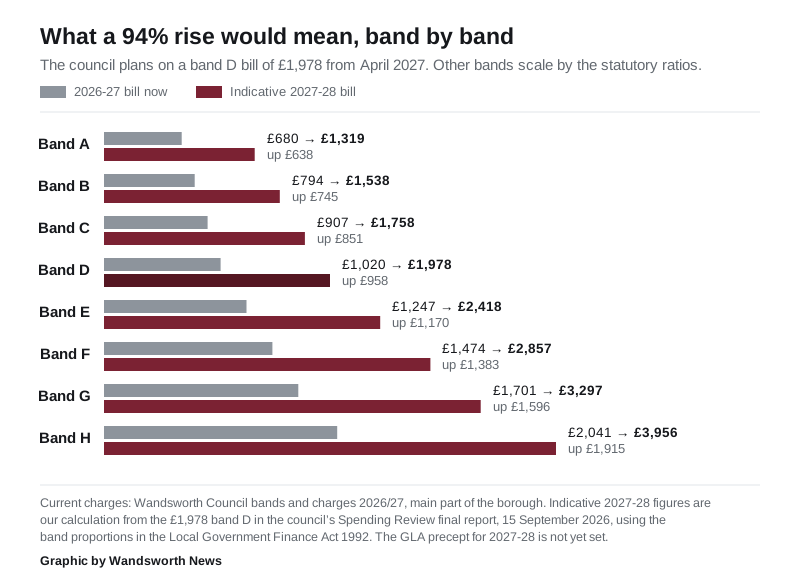
The council has published one figure, for Band D. Every other band is a fixed proportion of Band D, set in law by the Local Government Finance Act 1992, so the rest of the table follows arithmetically. Band A is six ninths of Band D, Band H is twice it.
| Band | 2026-27 | Indicative 2027-28 | Increase |
|---|---|---|---|
| A | £680.23 | £1,319 | £638 |
| B | £793.60 | £1,538 | £745 |
| C | £906.98 | £1,758 | £851 |
| D | £1,020.35 | £1,978 | £958 |
| E | £1,247.10 | £2,418 | £1,170 |
| F | £1,473.84 | £2,857 | £1,383 |
| G | £1,700.58 | £3,297 | £1,596 |
| H | £2,040.70 | £3,956 | £1,915 |
Two caveats on that table, both ours. The 2027-28 column assumes the GLA precept stays where it is, which the council itself flags as uncertain. And homes in the Wimbledon and Putney Commons levy area pay a separate levy on top, £41.38 at Band D this year.
For a Band D household paying over ten instalments, the monthly figure goes from £102.04 to about £197.80.
Even at £1,978, the report notes, the bill would be “considerably lower than the current year national average charge of £2,392”. Wandsworth currently has the lowest average Band D bill of any billing authority in England.
Help with the bill
The report sets out what happens to the Council Tax Reduction Scheme, which is the part most likely to matter to the households least able to absorb this:
- Support of “up to around 50%” of the bill for eligible working age households, with continued support for pensioners.
- Income bands widened “so that more low income working households can receive support as council tax rises”.
- A multi-year taper, so any reduction in support is gradual rather than a cliff edge.
- More than 15,000 households, about 10 per cent of the borough, expected to receive help.
- The cost of the scheme rising from £11.1m to £16.2m by 2030/31.
In his foreword, Peter Graham says the council plans “to nearly double our support through the Council Tax Reduction Scheme next year, while ensuring that everyone of working age pays something”. Those two figures fit together: if the bill roughly doubles and the percentage of support holds, the cash written off roughly doubles with it.
The legal challenge
Badenoch was interviewed by Matt Chorley on BBC Two’s Newsnight. Her words were carried identically by the Press Association wire, as published by the Enfield Independent, and by the Independent’s report. We are quoting the broadcast interview, not those articles.
She said: “I think it is outrageous that Wandsworth Council is having to put up council tax.” She continued: “It is because the government has taken away 40% of their funding. So we have actually instructed lawyers, as the Conservative Party, to see if we can challenge the Government on this decision.”
Asked about the borough’s low bills, she said: “I think if you suddenly have a nearly 100% increase in your council tax, you would be extremely worried.”
Read the words carefully. Lawyers have been instructed “to see if we can challenge”. That is an opinion being sought, not a claim issued, and the party has not said what decision it would challenge or on what ground.
A Ministry of Housing, Communities and Local Government spokesperson, quoted in the same reports, said: “Local authorities decide the level of council tax they wish to set, but we are clear that in doing so they should put taxpayers first.”
The rule that put Wandsworth here
The mechanism is not hidden. It is in the Government’s own response to the Fair Funding Review 2.0 consultation, and two paragraphs explain why the lowest-taxed borough in England is the one being asked for the biggest rise.
First, the safety net assumes councils tax to the limit. The Government “will continue the existing policy that any protection available through funding floors assumes local authorities use the full council tax flexibility available to them” (paragraph 9.4.16). A council that keeps its charge low is still treated in the sums as though it had not.
Second, permission to go above the referendum cap is rationed by how cheap you already are. The Government says it will consider requests case by case and “will not agree to requests for additional flexibilities from authorities where council taxpayers are already paying above the average bill” (paragraph 9.2.8).
Wandsworth’s bills are the furthest below the average in the country. That is precisely why it qualifies for the flexibility, and why the council can plan a 94 per cent rise without holding a referendum.
The council says it is fighting on. Its report commits it to “use all available routes to challenge the impact of the funding settlement”, including a Treasury submission for the Autumn Budget and a Sustainable Communities Act proposal with Westminster, Richmond upon Thames and Kensington and Chelsea. We covered that Sustainable Communities Act route in August.
The number has moved since July
This is the second figure the council has published. Its initial report in July implied a 71 per cent rise, spread over two years, because the Government’s transitional protection assumed 4.99 per cent plus £150 in each of 2027/28 and 2028/29. We reported that in August.
The final report replaces it with a single 94 per cent rise in 2027/28 and nothing further for three years. The council attributes the change to “the additional demand and inflationary pressures facing the Council” identified since July.
One vote, and the administration is a seat short
None of this happens without a majority at Full Council in March 2027.
The Conservative administration does not have one on its own. After the May election and the Trinity ward by-election on 27 August, the council’s 58 seats are held by 29 Conservatives, 25 Labour, three Labour and Co-operative and one Independent Member. A majority is 30. The council has confirmed the Conservatives “has a confidence and supply agreement with an Independent councillor to form a majority”.
A 94 per cent council tax rise will therefore pass or fail on a single councillor’s vote, unless the funding position changes first.
What it means for you
- Nothing changes on your bill this year. The current charge runs to 31 March 2027. Your band and what you pay now are on our council tax bands page.
- Expect a letter. The council has said it will write to residents now rather than wait for the budget, so an envelope about this is not a scam.
- If money is tight, check the reduction scheme before April. Support is being widened, not cut, and the council’s council tax support pages are where to apply.
- You can respond now. The council is running an engagement exercise on which services matter most, at yourprioritiesforwandsworth.commonplace.is, and says the answers will feed its Sustainable Communities Act proposal.
- The date to watch is March 2027, when Full Council sets the charge, and the Autumn Budget before it, where the council has lodged its submission.
Sources
- Wandsworth Council, Spending Review final report, 15 September 2026, foreword and pages 5, 37, 38 and 41
- Wandsworth Council, Council tax will need to rise unless Government thinks again, 15 September 2026
- Wandsworth Council, Wandsworth sets out Spending Review decisions in fight to protect key services, 15 September 2026
- Ministry of Housing, Communities and Local Government, Government response to the Fair Funding Review 2.0, paragraphs 9.2.8 and 9.4.16
- Kemi Badenoch, interview on BBC Two’s Newsnight, quoted as carried by the Press Association and the Independent, 18 September 2026
- Wandsworth Council, declared result, Trinity ward by-election, 27 August 2026
Have your say