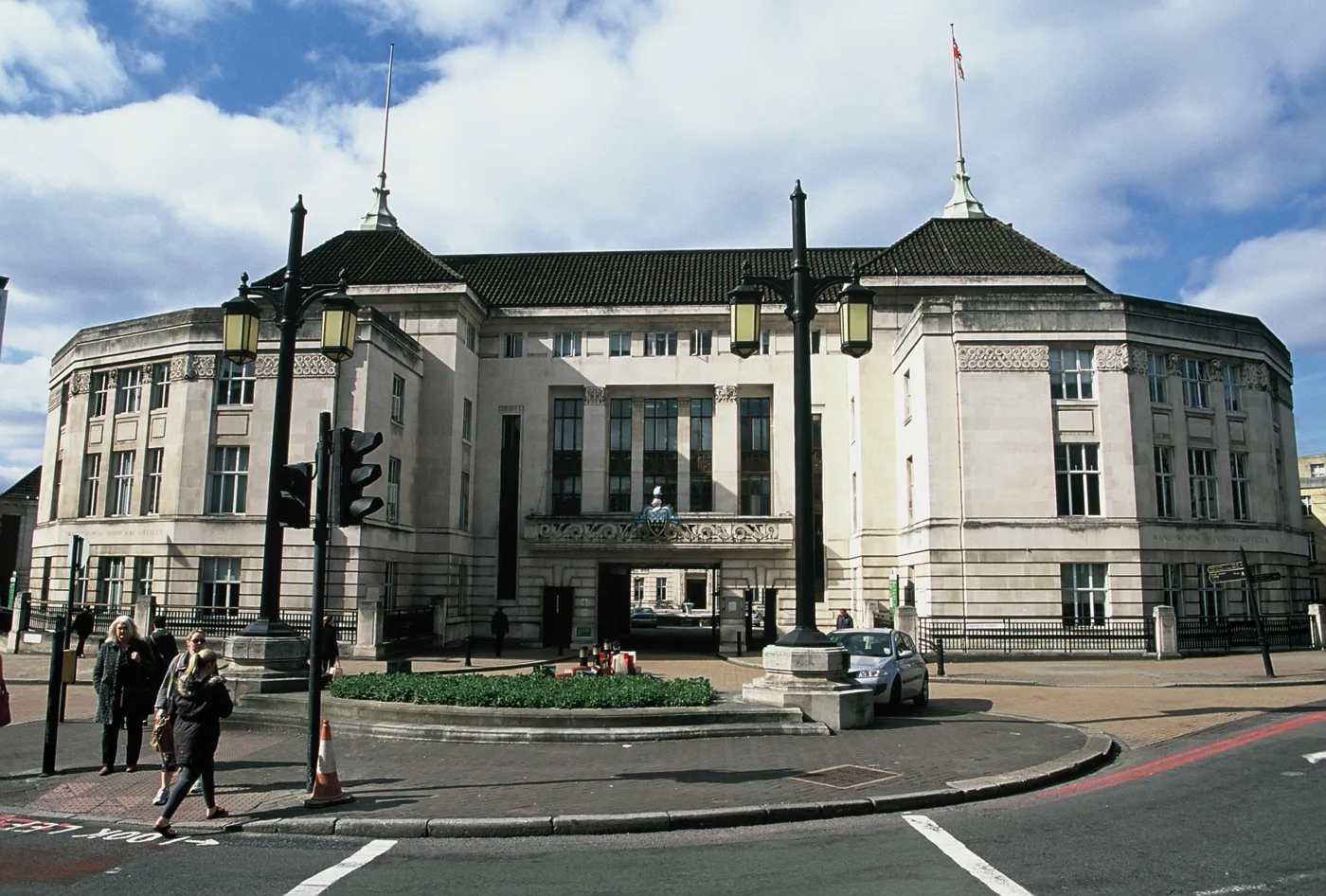

The Leader says Wandsworth's funding falls £84m by 2029. To ask the Government to think again, the council must first try to reach agreement with residents.
Wandsworth Council wants to formally ask the Government to reverse a funding decision it says will cost the borough £84m. Before it can, the law requires it to go to residents first.
The council said on 28 August that it intends to use the Sustainable Communities Act 2007. That statutory route puts conditions on the council, not only on ministers.
What the council wants from the Government
The council says it will ask the Government to do three things:
- review the amount of funding Wandsworth receives, so it better reflects the borough’s needs
- introduce any funding cuts over a longer period, giving the council more time to adapt
- give the council greater powers to keep more of the money raised locally and spend it on local services
The Leader of the Council, Councillor Robert Morritt, put the scale of the loss on the record. “Our core government funding has been cut and these changes will see Wandsworth’s funding fall by £84m, equivalent to 40% by 2029,” he said.
He also said he has written to the Chancellor of the Exchequer and other senior ministers. In the same statement he claimed that “for every £1 raised from Wandsworth taxpayers, only 4 pence is returned to the Council through government funding”. That figure is the Leader’s, and the statement does not show the calculation behind it.
The Act, and why residents are the first step
The Sustainable Communities Act lets a council formally ask central government to take action it thinks would help the sustainability of local communities. The process is set out in the Sustainable Communities Regulations 2012.
Regulation 3 is the one that matters here. Before making a proposal, a council must consult representatives of “interested local persons” and “try to reach agreement” with them about it. The regulations define interested local persons as people living, working or studying in the area who have an interest in the subject.
That is why the council’s own wording is conditional. It says a proposal would be submitted “where there is strong support from local people”.
What the council gets in return is a duty on the other side. Under regulation 4, the Secretary of State must consider the proposal, decide whether to implement it in whole or in part, and publish that decision with reasons. If action has not been completed within a year of submission, the Government must publish an update.
If the proposal is rejected, regulation 5 gives the council a second route. It can take the proposal to a body called the selector, which represents the interests of local authorities and can put it back to the Secretary of State for reconsideration. At that point the Secretary of State must publish the selector’s case and try to reach agreement with it before deciding again.
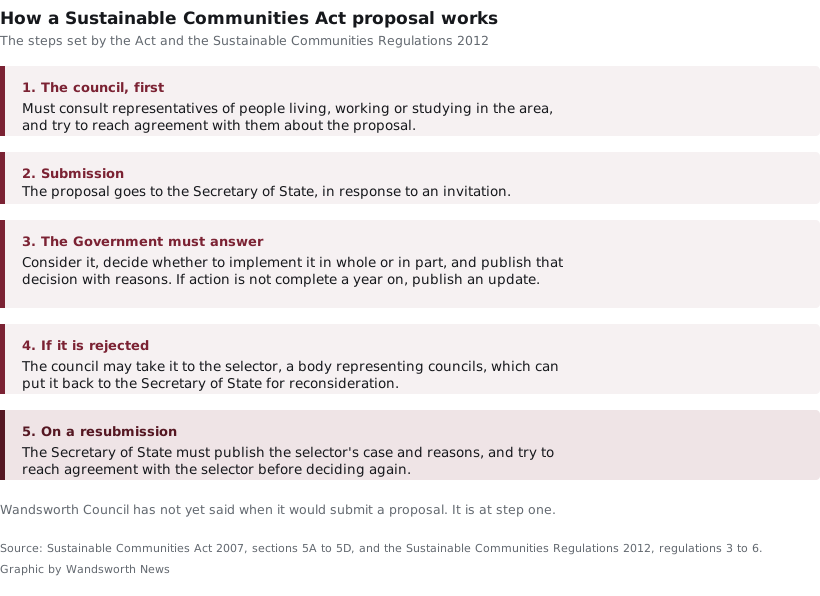
One thing is not yet on the record. Proposals are made in response to an invitation from the Secretary of State, under section 5A of the Act. The council has not said which invitation it would be responding to, or when it would submit.
Where the £84m comes from
The £84m and the 40 per cent are the Leader’s figures, given in Friday’s statement. The underlying squeeze is documented in the council’s own Spending Review, Paper No. 26-181, which went to Cabinet on 29 July.
That report traces the cut to the Fair Funding 2.0 review of December 2025. Two changes did the damage. The formula was reweighted in a way that cut the assessed need in inner London. Then the Government assumed Wandsworth charged a notional Band D council tax of £2,060, against an actual rate of £510.
The report says the combined effect leaves the borough facing “the largest cash reduction in funding in the country over the next three years”. In his foreword, Councillor Peter Graham, the Deputy Leader and Cabinet Member for Finance, writes that “our funding has been slashed by 40 per cent”. That matches the percentage the Leader used on Friday.
We set out the report’s numbers, including what it assumes about council tax, in our report on the Spending Review and council tax.
What it means for you
The council has opened a borough-wide engagement exercise at Your Priorities for Wandsworth. It asks residents what they think about the council’s budget and what the Government could do differently. The council says the feedback will help it understand which services matter most as it plans its response to the financial pressure.
Two practical points.
The council has not published a closing date for the engagement. The platform itself carries no deadline, so there is no published cut-off to work to.
And there is no committee date yet for the proposal itself. The next meeting of Cabinet is on 12 October, having been moved from 7 October, according to the council’s calendar of meetings. Nothing in Friday’s announcement commits the council to a submission date.
Nothing on your bill changes because of this. The 2026/27 charge is already set, and any change to the council’s share would take effect from April 2027. What is being decided now is whether the borough makes a formal, published request that the Government is legally obliged to answer in writing.
If you want to see what the market is doing while this plays out, our Wandsworth house prices page tracks the Land Registry figures, and planning decisions are on our Wandsworth planning page.
Sources
- Wandsworth Borough Council, Wandsworth is challenging Government cuts and needs local residents’ help, 28 August 2026
- Sustainable Communities Act 2007, sections 5A to 5D
- The Sustainable Communities Regulations 2012, regulations 3 to 6
- Wandsworth Borough Council, Update on the Spending Review, Paper No. 26-181, Cabinet, 29 July 2026
- Wandsworth Borough Council, Cabinet calendar of meetings
Have your say